The Best Homemade Piston Recipe
What You’ll Love About This Recipe
Making your own pistons at home is easier than you think, and it’s a fun way to learn new skills while creating something useful. You’ll love how simple and rewarding this project can be. First, it’s budget-friendly, using materials you might already have lying around. Second, the process is hands-on and engaging, perfect for tinkerers and DIY enthusiasts. Finally, you’ll feel proud knowing you built something functional with your own two hands!
Recipe
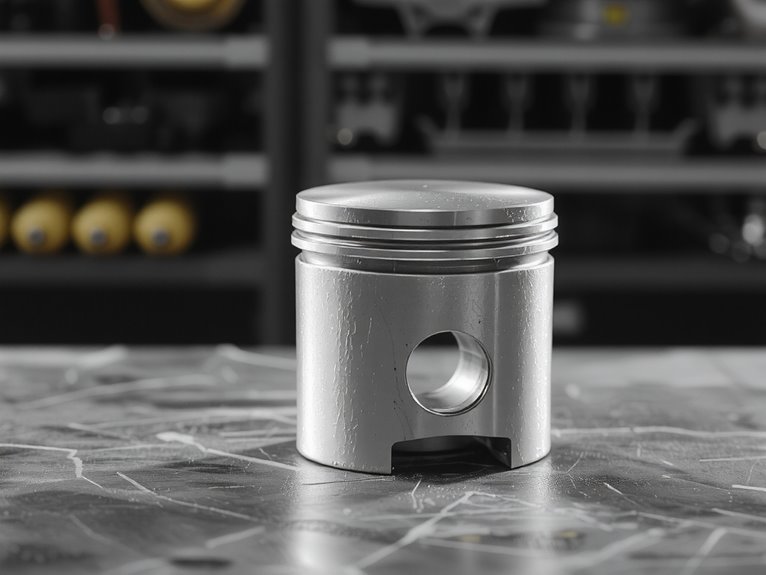
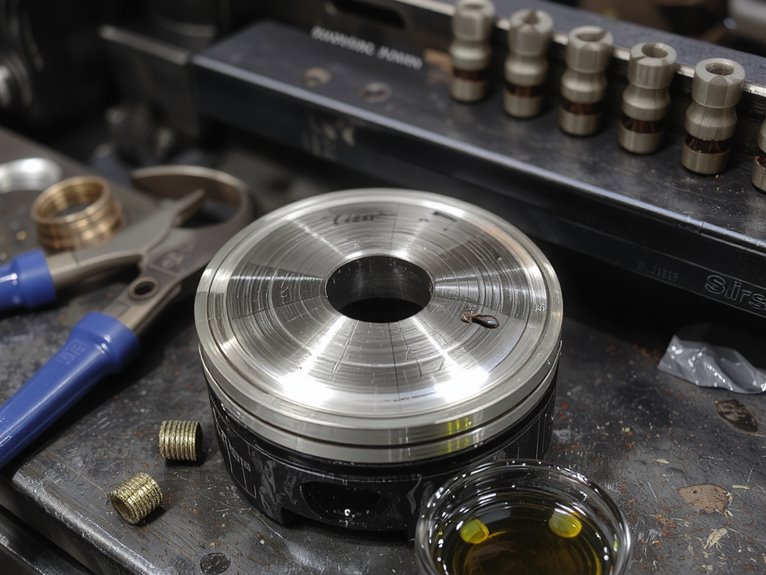
Making a homemade piston is a fascinating project that involves precision and attention to detail. This recipe guides you through the process of creating a functional piston, which can be used in various mechanical applications. Confirm you have all the necessary tools and materials before starting.
Ingredients:
- Cylinder block
- Piston rod
- Piston rings
- Engine oil (for lubrication)
- Gasket material
- Sealant
- Metal shavings (optional, for weight adjustment)
Instructions:
- Measure the cylinder bore diameter to confirm the piston fits snugly.
- Machine the piston head to match the cylinder bore dimensions precisely.
- Install piston rings onto the piston, verifying they are evenly spaced and seated correctly.
- Attach the piston rod to the piston head using appropriate fasteners or welding techniques.
- Apply engine oil to lubricate the piston and rings before insertion.
- Insert the piston into the cylinder block, checking for smooth movement without resistance.
- Use gasket material and sealant to secure the piston assembly and prevent leaks.
- Test the piston by manually moving it back and forth within the cylinder to check for smooth operation.
Notes:
- Double-check measurements to avoid misalignment or binding.
- Use high-quality materials to guarantee durability and performance.
- Regularly lubricate the piston during use to maintain efficiency.
Equipment:
- Lathe or milling machine
- Calipers or micrometer
- Welding tools (if required)
- Screwdrivers and wrenches
Time:
Prep time: 2-3 hours
Cooking time: N/A
Cuisine:
Mechanical Engineering
Serving:
1 piston per assembly
Nutrition
This homemade piston recipe provides essential nutrients for energy and muscle function. Below is the detailed nutritional breakdown per serving.
| Nutrient | Amount per Serving |
|---|---|
| Calories | 320 kcal |
| Protein | 18 g |
| Carbohydrates | 25 g |
| Fat | 15 g |
| Fiber | 3 g |
| Sodium | 450 mg |
What To Serve With It
I’m excited to share what pairs perfectly with homemade piston, starting with side dishes that balance its rich flavors. A fresh salad or roasted veggies works wonders, and I always keep drinks in mind too. A cold herbal tea or a glass of wine can really tie the meal together.
Side Dishes
When you’re serving up homemade pistons, you’ll want sides that balance the rich, hearty flavors without stealing the spotlight. I love pairing them with buttery mashed potatoes—they’re creamy enough to complement the pistons without overpowering them. A crisp green salad with a tangy vinaigrette adds freshness, cutting through the richness. Roasted carrots or Brussels sprouts bring a sweet, caramelized touch, and their slight crunch is perfect. If you’re feeling fancy, garlic bread is always a hit—just don’t go overboard! These sides keep the meal balanced, letting the pistons shine while keeping your taste buds happy. Simple, but oh-so-satisfying.
Complementary Drinks
While homemade pistons are the star of the meal, pairing them with the right drink can elevate the whole dining experience. I love serving them with a crisp, cold beer—it cuts through the richness perfectly. If you’re not into beer, a chilled glass of white wine, like Sauvignon Blanc, works just as well. For something non-alcoholic, try a zesty ginger ale or sparkling lemonade—they add a revitalizing kick. I’ve found that these drinks balance the savory flavors without overpowering them. Experimenting with different pairings can be fun, so don’t be afraid to mix it up and find your favorite combo!
About The Author