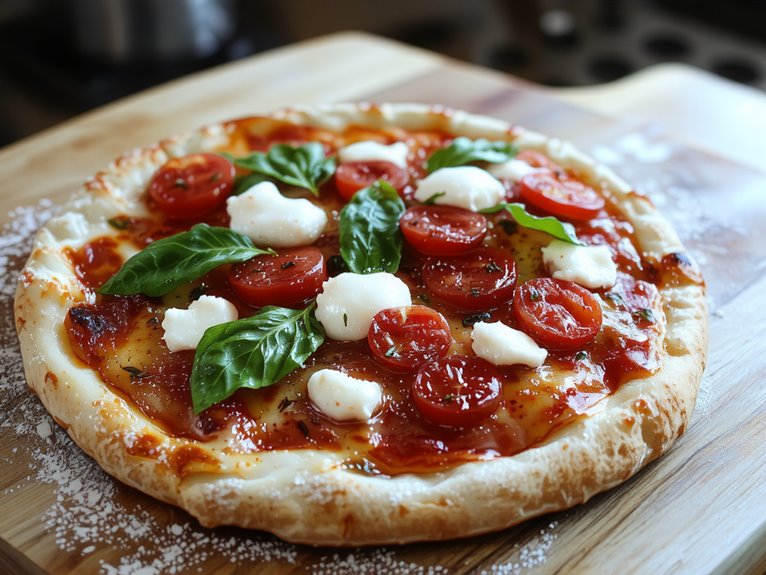
The Bestsourdough Pizza Dough Recipe
What You’ll Love About This Recipe
This sourdough pizza dough recipe is a game-changer, bringing a delicious tangy flavor and chewy texture to your homemade pizza. It’s easy to make with minimal ingredients, and the natural fermentation process adds a boost of gut-friendly benefits. You’ll love how versatile it is, allowing you to create thin-crust or thick-crust pizzas to suit your mood. Plus, it’s perfect for meal prep—just stash the dough in the fridge or freezer for later. Finally, the satisfaction of making pizza from scratch with your own sourdough starter is unbeatable!
Recipe
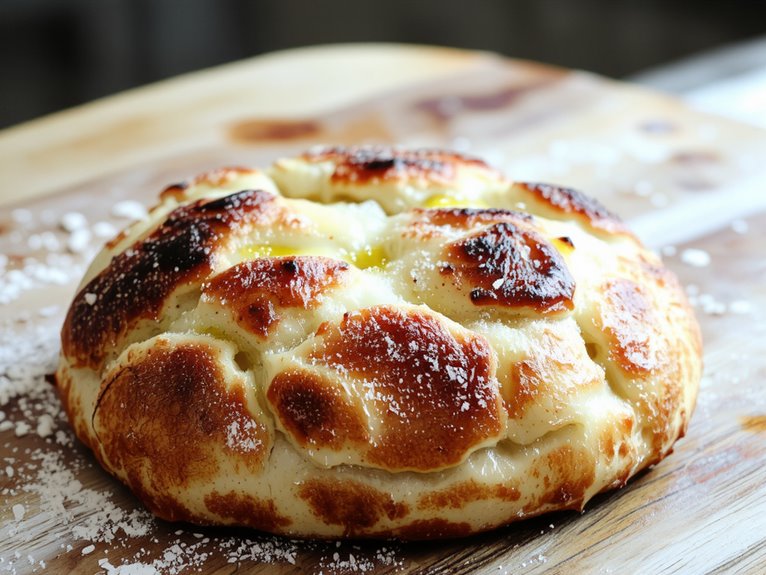
Sourdough pizza dough combines the tangy flavor of sourdough with the chewy, crispy texture of a perfect pizza crust. This recipe is simple and uses a sourdough starter instead of commercial yeast, offering a unique depth of flavor and a naturally leavened dough.
Ingredients:
- 1 cup (240g) active sourdough starter
- 1 ¼ cups (300ml) warm water
- 3 ½ cups (420g) bread flour
- 1 ½ teaspoons salt
- 1 tablespoon olive oil
Instructions:
- In a large mixing bowl, combine the active sourdough starter and warm water. Stir until well mixed.
- Add the bread flour and salt to the bowl. Mix until a shaggy dough forms.
- Knead the dough on a lightly floured surface for about 10 minutes, or until it becomes smooth and elastic.
- Place the dough in a lightly oiled bowl, cover with a damp cloth, and let it rise at room temperature for 4-6 hours, or until it has doubled in size.
- Divide the dough into 2 or 3 equal portions, depending on the size of pizzas you want. Shape each portion into a ball.
- Place the dough balls on a floured surface, cover with a damp cloth, and let them rest for 30 minutes to 1 hour.
- Preheat your oven to the highest temperature (usually 500°F/260°C) and place a pizza stone or baking sheet inside to heat up.
- Roll out each dough ball into a thin circle or desired shape.
- Transfer the dough to a piece of parchment paper, add your favorite toppings, and slide the pizza onto the preheated stone or baking sheet.
- Bake for 10-12 minutes, or until the crust is golden and the toppings are cooked through.
Notes:
- Verify your sourdough starter is active and bubbly before starting.
- The dough can be refrigerated overnight after the initial rise for a more developed flavor.
- For a crispier crust, bake the pizza directly on the preheated stone.
Equipment:
- Large mixing bowl
- Measuring cups and spoons
- Rolling pin
- Pizza stone or baking sheet
Time:
- Prep time: 15 minutes
- Cooking time: 10-12 minutes per pizza
- Total time (including rising): 5-7 hours
Cuisine:
Italian
Serving:
Makes 2-3 pizzas, depending on size.
Nutrition
Nutritional information may vary based on ingredient brands and serving sizes.
| Nutrition | Per Serving |
|---|---|
| Calories | 230 |
| Fat | 3g |
| Carbs | 43g |
| Protein | 6g |
| Fiber | 2g |
| Sugar | 1g |
What To Serve With It
I love pairing my sourdough pizza with a fresh salad; it adds a crisp, invigorating contrast to the rich flavors. Classic Italian sides like Caprese or roasted veggies also work wonders, giving the meal a cozy, authentic feel. Don’t forget, a drizzle of balsamic glaze ties it all together beautifully.
Fresh Salad Pairings
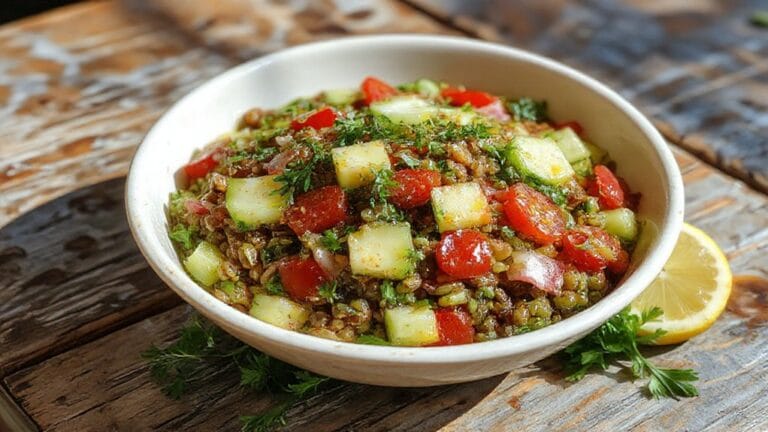
When I’m making sourdough pizza, I love rounding out the meal with a fresh salad—it’s the perfect balance to that chewy, tangy crust. I start with seasonal greens like arugula or spinach, tossing them with a bright citrus vinaigrette that complements the pizza’s flavor. Tangy toppings like olives or capers add a punch, while mixed herbs—think basil, parsley, or chives—bring freshness to every bite. Sometimes, I’ll throw in roasted veggies or creamy avocado for extra texture. It’s light, crunchy, and a great way to enjoy something healthy alongside indulgence. Trust me, it’s a winning combo!
Classic Italian Sides
Though sourdough pizza steals the show, it’s even better with classic Italian sides that bring out its flavors. I love serving warm, crispy garlic bread—it’s perfect for dipping into leftover pizza sauce or olive oil. An antipasto platter is another go-to for me, packed with cured meats, cheeses, olives, and marinated veggies. It adds a mix of textures and flavors that complement the pizza beautifully. Sometimes, I’ll throw in some roasted peppers or a simple caprese salad for freshness. These sides make the meal feel complete and bring a little piece of Italy to my kitchen.
About The Author