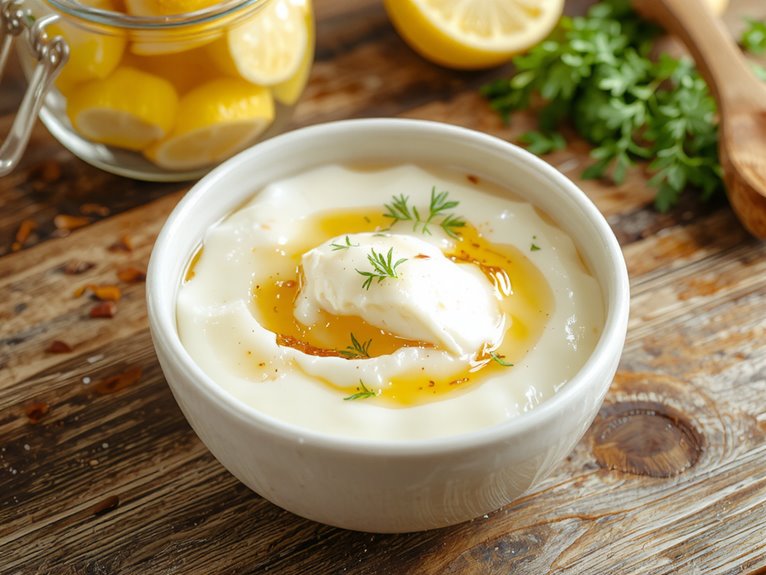
The Best Homemade Ricotta Dishes Recipe
What You’ll Love About This Recipe
Making homemade ricotta dishes is easier than you think, and the results are absolutely delicious. You’ll love how fresh and creamy the ricotta turns out, perfect for both sweet and savory recipes. It’s budget-friendly, using simple ingredients you likely already have at home, and the process is surprisingly quick, taking less than an hour from start to finish. Plus, the satisfaction of creating something so tasty from scratch is unbeatable—your friends and family will be impressed!
Recipe
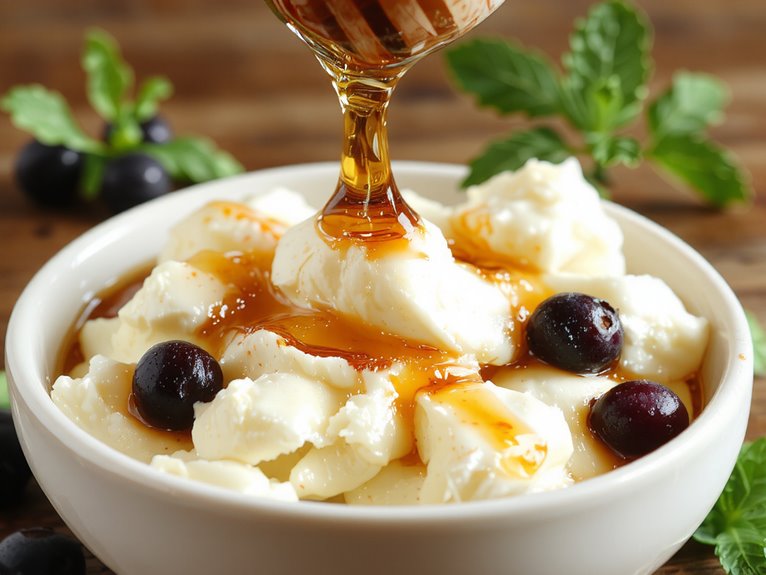
Homemade ricotta is a creamy, versatile cheese that can be used in both savory and sweet dishes. Making it at home is surprisingly simple and requires minimal ingredients. It’s perfect for adding to pasta, salads, or desserts.
Ingredients:
- 4 cups whole milk
- 1 cup heavy cream
- 1/2 teaspoon salt
- 3 tablespoons fresh lemon juice
Instructions:
- In a large saucepan, combine the milk, cream, and salt. Heat over medium heat, stirring occasionally, until the mixture reaches 190°F (88°C). Use a thermometer to monitor the temperature.
- Remove the saucepan from the heat and add the lemon juice. Stir gently once or twice, then let the mixture sit undisturbed for 10 minutes.
- Line a colander with cheesecloth or a fine-mesh strainer and place it over a bowl. Carefully pour the curdled mixture into the lined colander.
- Allow the ricotta to drain for 15-20 minutes, depending on your desired consistency. For a creamier texture, drain for less time.
- Transfer the ricotta to an airtight container and refrigerate. It will keep for up to 5 days.
Notes:
- Use fresh lemon juice for the best results; bottled juice may affect the flavor.
- For a richer ricotta, increase the ratio of cream to milk.
Equipment:
- Large saucepan
- Thermometer
- Cheesecloth or fine-mesh strainer
- Colander
- Bowl
Time:
Prep time: 5 minutes
Cooking time: 15 minutes
Cuisine: Italian
Serving: Yields approximately 2 cups of ricotta.
Nutrition
Homemade ricotta is a versatile and nutritious ingredient that can be used in various dishes. Here’s a breakdown of its nutritional value per 100 grams:
| Nutrient | Amount |
|---|---|
| Calories | 174 kcal |
| Protein | 11.3 g |
| Fat | 13 g |
| Carbohydrates | 3 g |
| Calcium | 207 mg |
| Sodium | 84 mg |
What To Serve With It
I love pairing homemade ricotta with simple side dishes, like roasted vegetables or a fresh salad, because they balance its creamy texture. A warm slice of crusty bread or a toasted baguette also makes it feel like a complete meal. I’ve found that experimenting with different breads, like focaccia or sourdough, adds so much variety.
Complementary Side Dishes
When it comes to serving homemade ricotta, you’ll want sides that complement its creamy, mild flavor without overpowering it. I love pairing it with roasted vegetables like zucchini or eggplant, which add a savory touch. A fresh salad with mixed greens, cherry tomatoes, and a drizzle of balsamic vinaigrette works wonders too. Grilled peaches or figs bring a sweet contrast that’s perfect for summer. Sometimes, I’ll whip up a light pasta tossed with olive oil, garlic, and herbs—it lets the ricotta shine. These sides are simple, but they elevate the dish and make every bite feel balanced and satisfying.
Pairing Bread Varieties
Bread’s a natural companion for ricotta, and picking the right kind can turn a simple bite into something special. I love crusty sourdough for its tangy bite, or focaccia with its herbs and olive oil richness. A warm baguette adds a crisp contrast to creamy ricotta, while fluffy ciabatta soaks it up perfectly. Don’t overlook whole-grain options; their nuttiness pairs beautifully. For a sweeter twist, try lightly toasted brioche or challah—trust me, it’s heavenly. Experimenting with bread feels like discovering new layers of flavor every time. Honestly, the right bread elevates ricotta into a treat I can’t stop eating.
About The Author